Roof Ventilator Repair in Provo, UT
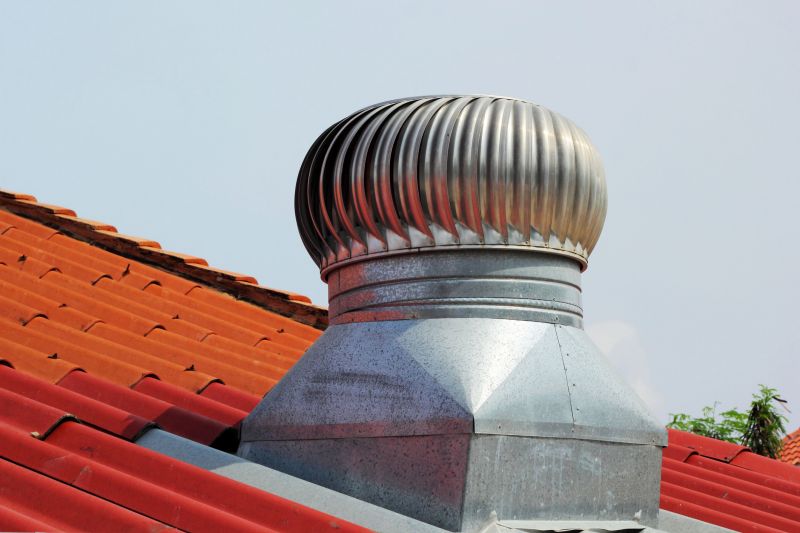
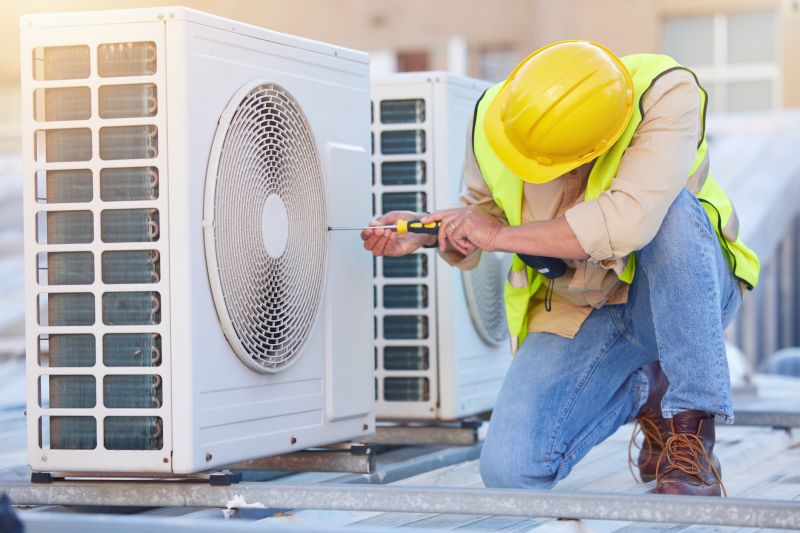
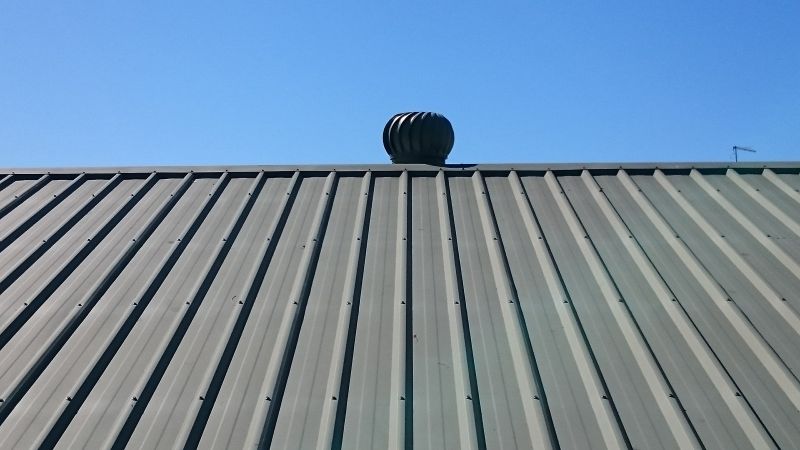
Roof ventilator repair services address issues with vents installed on the roof that help regulate airflow and moisture inside a property. These repairs typically involve fixing or replacing damaged or malfunctioning vents, ensuring proper ventilation to prevent issues such as excess humidity, mold growth, or roof damage. Projects may include repairing broken louvers, sealing leaks around vents, or replacing worn-out components to restore optimal airflow and protect the roof structure.
Property owners interested in roof ventilator repair should understand the importance of timely maintenance to avoid more extensive damage. Before requesting service, it is useful to identify any signs of ventilation problems, such as unusual noises, persistent leaks, or inadequate airflow, which could indicate the need for repairs. Clarifying the type of vent system installed and any previous issues can help ensure the correct repairs are performed to maintain a healthy and well-ventilated roof environment.
Many property owners in Provo, UT look into Roof Ventilator Repair for repairs, replacements, upgrades, and appearance-related improvements.
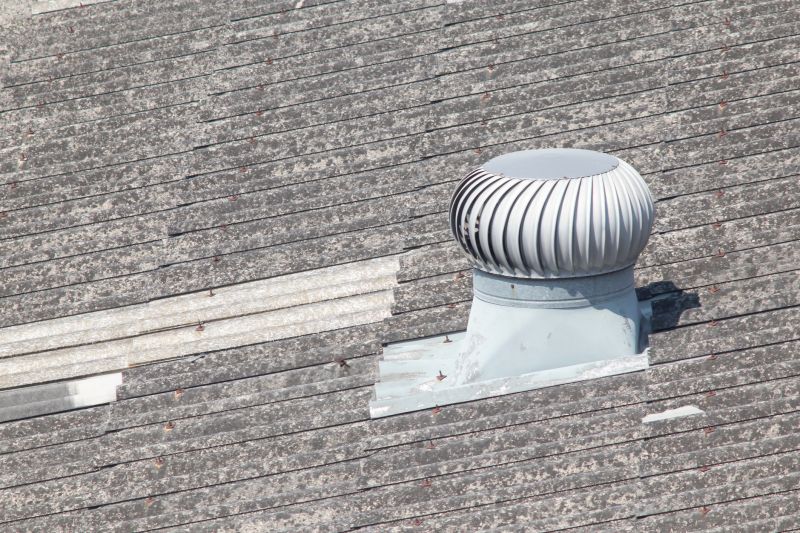
Signs Of Ventilator Issues
Unusual noises or inconsistent airflow can indicate a faulty roof ventilator.
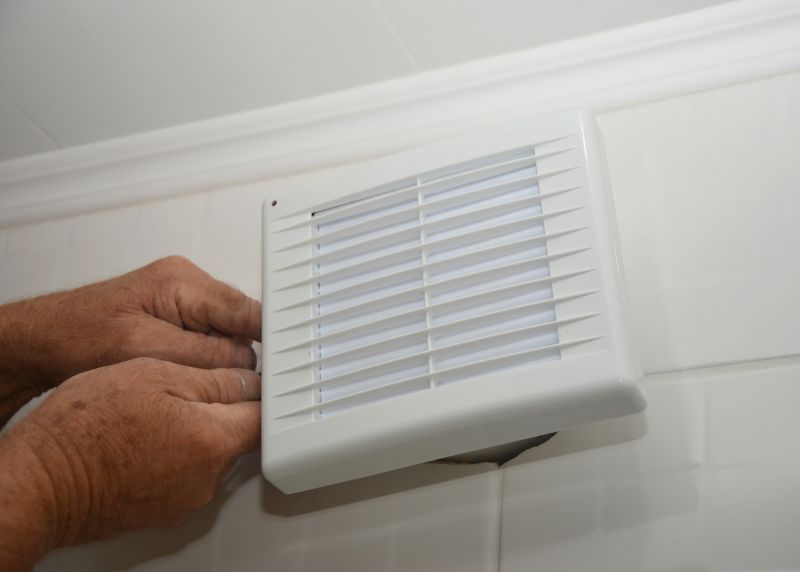
Common Repair Needs
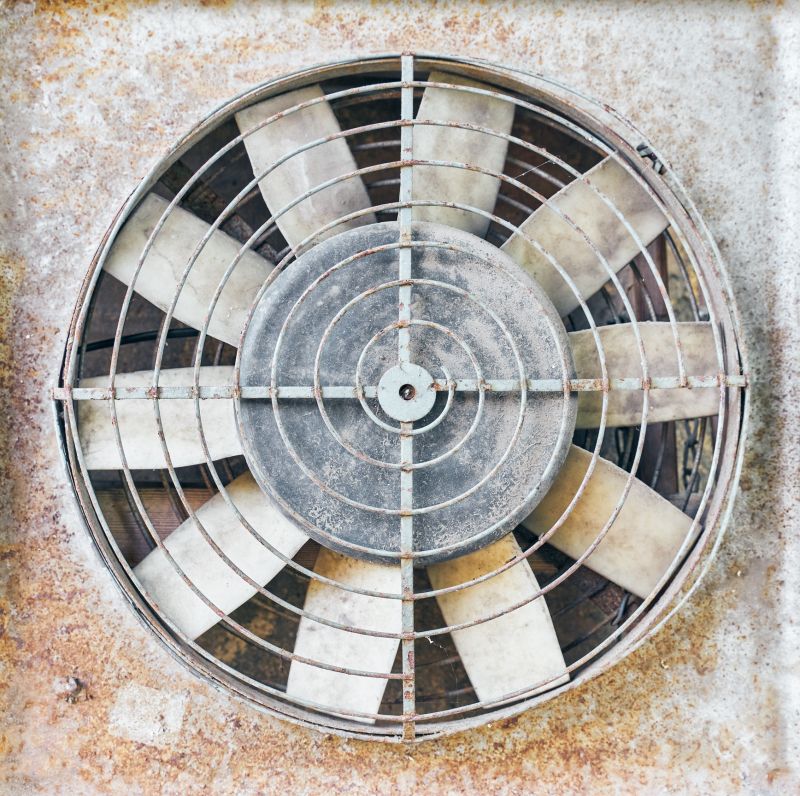
Repairs often involve fixing broken blades, replacing motors, or sealing leaks around the vent.
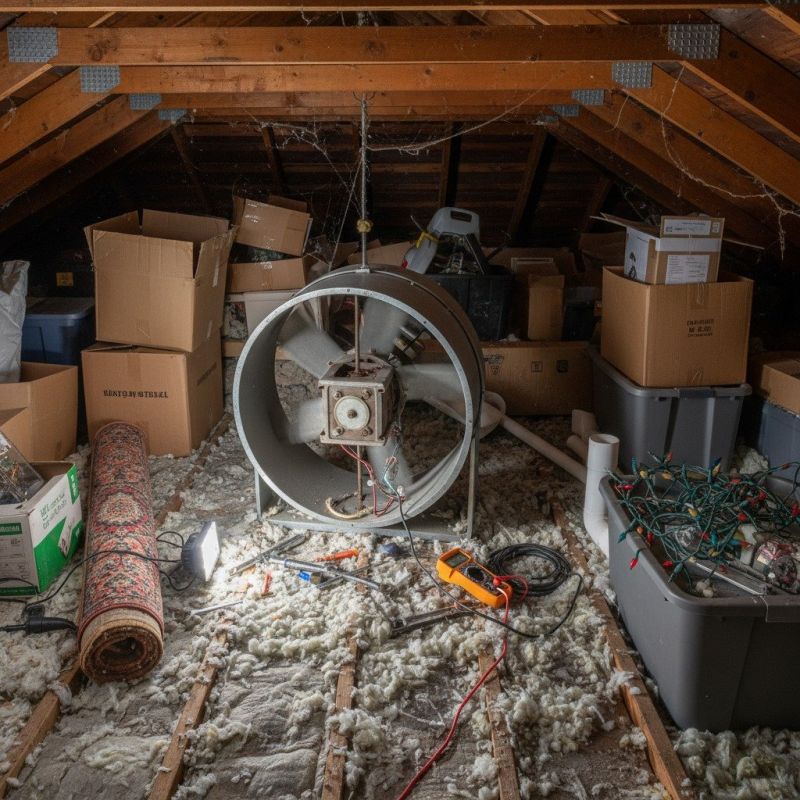
Benefits Of Proper Ventilation
Ensuring your roof ventilator functions correctly helps maintain attic health and energy efficiency.
Roof Ventilator Repair in Provo, UT
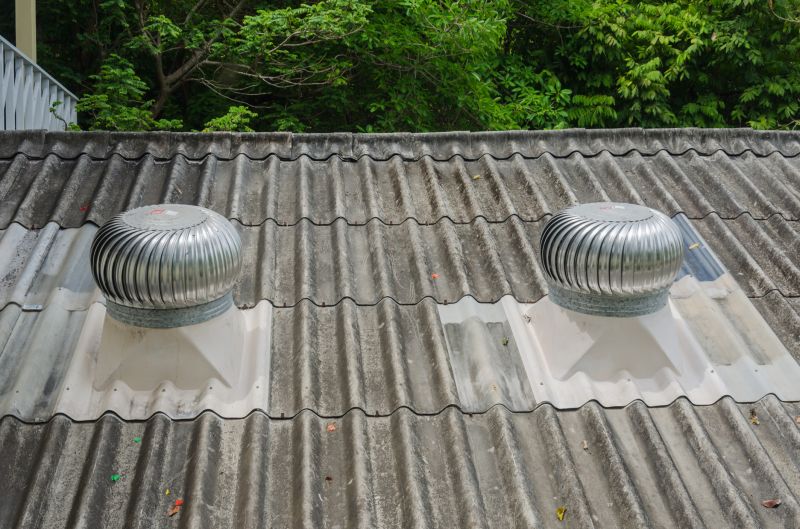
Roof ventilator repair services address issues with vents installed on the roof that help regulate airflow and moisture inside a property. These repairs typically involve fixing or replacing damaged or malfunctioning vents, ensuring proper ventilation to prevent issues such as excess humidity, mold growth, or roof damage. Projects may include repairing broken louvers, sealing leaks around vents, or replacing worn-out components to restore optimal airflow and protect the roof structure.
Property owners interested in roof ventilator repair should understand the importance of timely maintenance to avoid more extensive damage. Before requesting service, it is useful to identify any signs of ventilation problems, such as unusual noises, persistent leaks, or inadequate airflow, which could indicate the need for repairs. Clarifying the type of vent system installed and any previous issues can help ensure the correct repairs are performed to maintain a healthy and well-ventilated roof environment.
Many property owners in Provo, UT look into Roof Ventilator Repair for repairs, replacements, upgrades, and appearance-related improvements.
Common Roof Ventilator Repair Jobs
Roof Ventilator Repair - Restores proper airflow to prevent attic moisture buildup.
Roof Ventilator Replacement - Upgrades aging or damaged vents to improve ventilation efficiency.
Leak Repair for Roof Vents - Seals leaks to prevent water intrusion and roof damage.
Fan Motor Repair - Fixes faulty motors to ensure continuous attic ventilation.
Vents Cleaning and Maintenance - Removes debris and dirt that can impair vent performance.
Emergency Ventilator Repairs - Addresses urgent issues to protect the roof and interior from weather damage.
Roof Ventilator Repair Questions
What are common signs of roof ventilator issues? Signs include unusual noises, decreased airflow, and increased indoor temperatures during hot weather.
Can roof ventilator problems lead to other roof damage? Yes, improper ventilation can cause moisture buildup, leading to mold, rot, and shingle deterioration.
What types of roof ventilators may need repair? Exhaust fans, intake vents, and ridge vents are common components that may require attention.
Why is timely repair important for roof ventilators? Prompt repairs help maintain proper airflow, prevent damage, and improve energy efficiency inside the building.
Request Roof Ventilator Repair in Provo, UT
Use the quote form on this page to share the basics of your project and request more information for the type of work you need.